

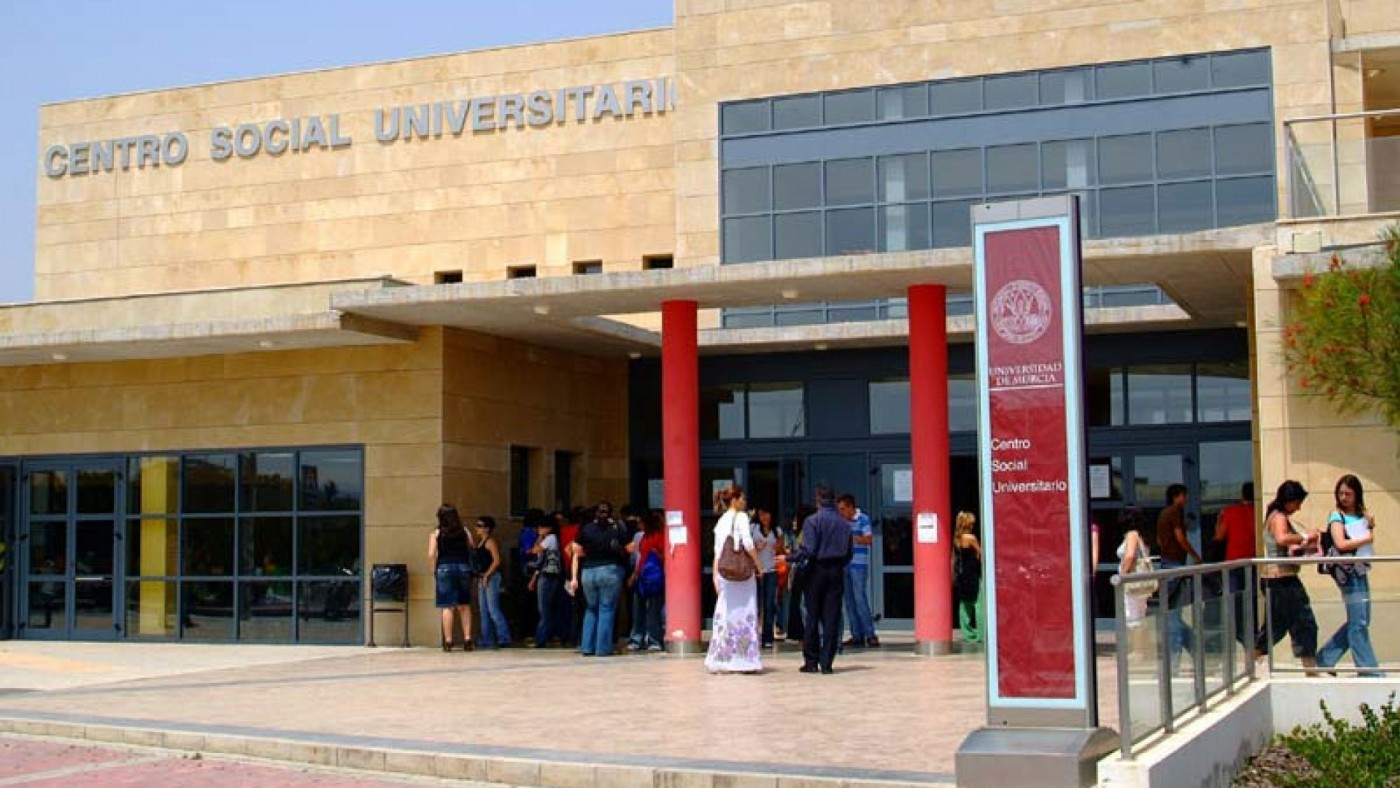
The University of Murcia is the Proof of Concept (PoC) for Masterpiece. This PoC will serve as an example for the rest of the pilots. Morespecifically, the PoC corresponds to a subset of facilities (e.g. buildings, photovoltaic solar installations, etc.) of the university, as UMU has more than 60 assets and physical resources across its five campuses.
The subset of facilities in the PoC include both photovoltaic installations and buildings, mainly located on the Campus of Espinardo. These buildings have various operational devices, some of which are isolated in terms of communication, while others are already integrated into existing building management systems.
A characteristic aspect of the PoC is the differentiation of two types of members within the energy community. On one hand, there are individuals, namely those who utilise university facilities (e.g., students, professors, etc.). On the other hand, there are the university buildings themselves.
This distinction allows us to implement various strategies at different scales within the PoC, as they are reflected in its use cases. This enables coverage from the individual level of citizens to the university infrastructure.
The main aim of the PoC is to take one step beyond what a traditional energy community is, by aiming to
TBA
UMU
Within the PoC there are two PV installations of in the roof of the parking of the Swimming pool building and in the veterinary Farm.
Internally managed by the DSO municipal grid. There are different tariffs with variable pricing for electrical energy provision depending on the time of use and wholesale market indexes.
Being the community composed of 10 buildings with mixed use, the services focused in consumption optimization and flexibility to promote the efficient use of renewable energy, costs, etc. For example, real time monitoring of general building consumption and HVAC specific data enables dynamic adjustments to energy usage based on grid requirements and electricity tariffs are managed. Environmental sensors provide crucial insights that ensure HVAC operations maintain occupant thermal comfort while optimizing energy use.
EV charging points (public and residential) will be deployed soon, offered through the prepaid energy service and introducing recharging payment tools. |
Individual AC split systems installed and utilized for heating/cooling purposes in the residential households across the municipality. Biomass-fed heating systems are also used.
| Current situation | MASTERPIECE achievements |
|---|---|
|
The Campus of Espinardo is the Proof of concept (PoC) with numerous buildings/faculties offering a variety of energy consumption monitoring capabilities, both at a global level and specifically for HVAC systems. Additionally, environmental data such as temperature, CO2 levels, humidity as well as people presence are also included. Furhtermore, there are certain special data sources involved in the PoC, including different BMS and Scadas, other portals, IoT Gateways, etc. This comprehensive array of data and systems allows for the development of sophisticated components within the MASTERPIECE digital tools ecosystem, and services. |
As part of the PoC there is a differentiation between two types of participants within the digital EC: individuals using university facilities and the university buildings themselves. This distinction allows the implementation of a variety of use case strategies tailored to meet the needs of both individual users and the broader university infrastructure. The use cases are the following ones:
1) Fostering a Socially Responsible Energy Community
2) Promoting Collaboration and Self Consumption from PV
3) Management of Demand and Fair Pricing
4) Achieving Sustainable Energy Transition and Equitable Access |

This project has received funding from the European Union’s Horizon Europe Framework Programme for Research and Innovation under grant agreement no 101096836.
